
FIU HONORS COLLEGE
ESPAÑA STUDY ABROAD
JW BAILLY
MESSAGE TO STUDENTS AND CONTRACT/ESSAY MILL WRITERS
The FIU Student Conduct and Honor Code define plagiarism as “The deliberate use and appropriation of another’s work without any indication of the source and the representation of such work as the Student’s own.” Submitting the work of someone else as your own work is plagiarism. This is a serious instance of Academic Misconduct by the student. In Florida, Essay Mill/Contract Cheating sellers are in violation of Florida Statute 877.17: “It shall be unlawful for any person or business entity to sell, offer to sell, or advertise for sale any term paper, thesis, dissertation, essay, or report” Read more
MIAMI AS TEXT
These are not diaries or summaries of experiences. Miami as Texts projects are academic reflections that see students utilize a personal experience in a place as a starting point to reflect on a broader social, cultural, or historical issue.
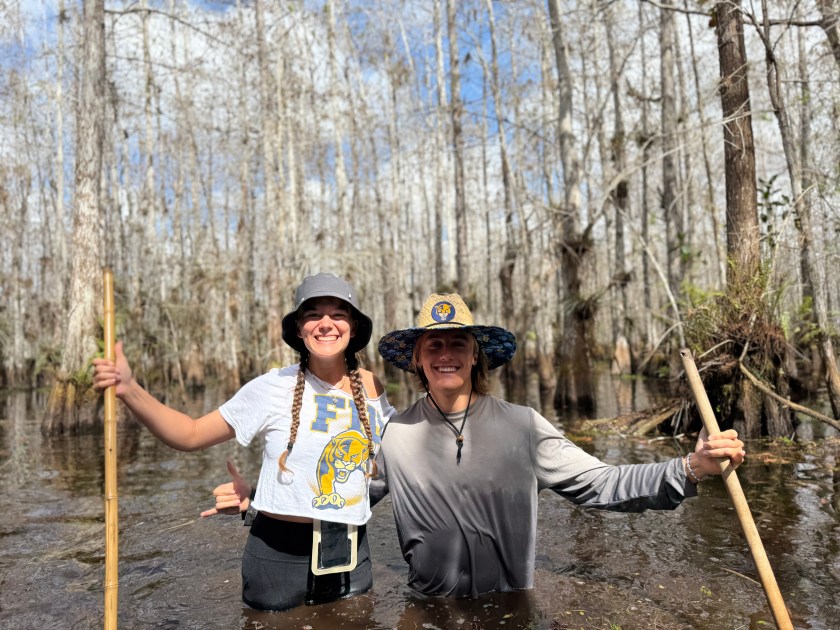
ESPAÑA AS TEXT CONTEXT
The following contextual questions are only starting points for student España as Text academic reflections. The questions below are intended to foster reflection rather than dictate a specific subject. Students are encouraged to select a unique academic topic and are free to be as creative as they wish in the format they utilize. The topic, however, must be a subject discussed in class. Including accurate additional research is strongly encouraged.
The España as Text contextual questions are generally listed in chronological order.
ESPAÑA SPRING ENCOUNTER AS TEXT
You have just had your first official class meeting of España study abroad in January. Why are you in this class? Are you motivated, nervous? What do you know about España? What image does España conjure in your mind? Have you been there before? What are your expectations of the is program? What are you most looking forward to visiting? Why?
España Study Abroad Information
TRANSATLANTIC EXCHANGE AS TEXT
This class explores the cultural exchange between The Americas and España. When the Spanish entered the Western Hemisphere in 1492, a Grand Exchange of culture and nature occured. That contact altered the history and natural appearance of the world in cataclysmic manner. Species from either hemisphere entered and new habitat and flourished, often displacing native species. Language, religions, culture, and social structures were radically altered. It is one of the most simultaneously enriching and destructive events in human history. What do you think of it? Miami is a city that is a product of the Transatlantic Exchange. Are you? How?
Course Context: Apocalypto, Chronicle of the Narvaez Expedition, También la lluvia, “The Columbian Exchange: A History of Disease, Food, and Ideas,” and The Mission
HISTORIC MIAMI AS TEXT
The diversity of contemporary Miami is a result of its continuous population migration since the Spanish encountered the Tequesta in Biscayne Bay in 1513. In fact, after the Tequesta called Miami home for 2,000 years, no group has remained a majority for an extended period. Successive large migration groups include Spanish, Seminoles, Miccosukee, Bahamians, escaped slaves, British, Northern US settlers, Cubans, Haitians, Nicaraguans, Venezuelans. What surprised you about this Walking Lecture? Where do you place yourself in the History of Miami?
Historic Miami Lecture Notes
MAGIC REALISM AS TEXT
Magic Realism is an artistic style that intertwines historical fiction with an undercurrent of magic or fantasy. It is a predominantly Latin American genre, marking a clear cultural break/difference from Spanish traditions. Although many cultural manifestations in the Americas have origins in España, Magic Realism does not. It is a uniquely Latin American cultural identity. What do you think of Magic Realism? Do you see the roots of Magic Realism in everyday life in the Americas? Can you find other examples of Magic Realism?
Course Context: 100 Years of Solitude, Latin American Art
VIZCAYA AS TEXT
Villa Vizcaya is the single most influential cultural structure of 20th century Miami. James Deering was the wealthiest person in Miami building the largest and most opulent structure in early twentieth century Miami. Vizcaya’s Mediterranean Revival architectural style influenced the development of Coral Gables and other neighborhoods. Villa Vizcaya is where southern Europe lands in Miami. However, Vizcaya also ignores the Tequesta, Seminole, Miccosukee, and Bahamian roots and traditions of Miami. This lack of inclusivity portends the destructive relationship of Miami to its history. Villa Vizcaya, in its beauty and tragedy, embodies Miami.
Vizcaya Lecture Notes
MIAMI ESPAÑA IDA AS TEXT
Students must research and reflect upon an aspect of the Americas that has been influenced by Spain. The project should be multidimensional: examine commonalities, highlight differences, and explore ambiguities. Each student must select one topic and no other student may explore that same topic. Research must be extensive.
Course Context: Miami España Ida as Text
ESPAÑA SPRING DEPARTURE AS TEXT
That’s it. Spring Semester done. Next stop Madrid. Go back and read your “España Spring Encounter as Text.” Ask yourself the same questions. What has changed for you since then?
España Study Abroad Destinations
ESPAÑA ENCOUNTER AS TEXT
You have just arrived in España. Each student will select one individual metro or tram stop in Madrid. During the first week of classes, the student will visit that stop and reflect upon their first impressions of España by way of the stop. Students must go above ground and walk in at least a quarter mile radius around the metro stop. What is the neighborhood like? What type of businesses or monuments are there? Restaurants? Street food? How is Madrid different than Miami? How is Madrid similar to Miami? Which social and economic issues does the neighborhood make you reflect upon? Which cultural issues engage you?
Over Under Madrid as Text
MADRID AS TEXT
Discuss any place we have visited as a class, from Atocha to the Palacio Real, or even an individual artwork from one of the museums.
SEGOVIA OR TOLEDO AS TEXT
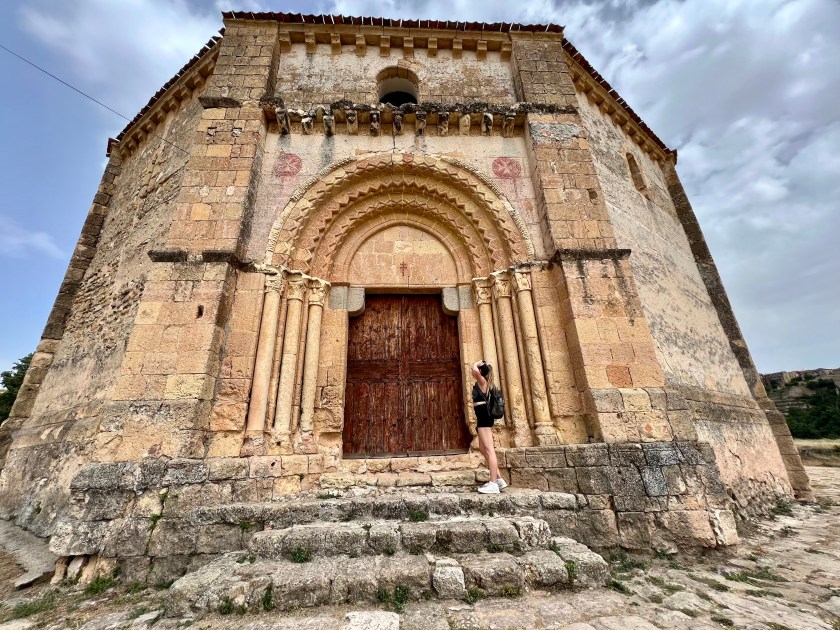
Segovia and Toledo enable a visitor to engage with España before modernization. The cities appear somewhat frozen in time, with Segovia preserving Roman ruins and Toledo an urban design from the medieval era. The Royal Court of España was based in Toledo when Ponce de Leon sailed in to what is now Biscayne Bay in 1513.
ANDALUCÍA AS TEXT
No region in Western Europe offers the opportunity to discover Medieval Islam in the manner Andalusia does. The Covivenicia of the Islamic reign was highly unusual for Europe in this era, from 711-1492. Andalusia is where Catholicism and Islam merge, where Africa and Europe meet, and where all ships to and from Spanish America sailed.
SITGES AS TEXT
No European city is linked so directly to Miami as Sitges is. Not only did Charles Deering have a home here, but James Deering visited as well. The direct inspiration for the Deering Estate was from Sitges. Sitges is also the LGBTQ capital of Spain, similar to Miami Beach and the East Coast of Miami. What links do you see, both personally and culturally?
BARCELONA AS TEXT
Barcelona is in Catalunya. The residents speak Catalan and have a strong cultural distinction from the rest of España, particularly in the Modernisme architecture. What are your impression of this regional identity and do you see parallels in the Western Hemisphere?
MIAMI ESPAÑA VUELTA AS TEXT
Your final reflection should examine your personal journey as it relates to the academic subjects we discussed. All residents of Miami are in some manner a product of the Grand Exchange-a part of all of us was influenced by España. Are you Spanish? Are you not Spanish? How? Please provide specific examples? How have the Spanish been transformed by the Americas? Or haven’t they? Where do you see your individual self in this Transatlantic Diaogue?
EDITOR AND LAST UPDATE
John William Bailly 09 January 2023
COPYRIGHT © ALL RIGHTS RESERVED
 Bailly Lectures