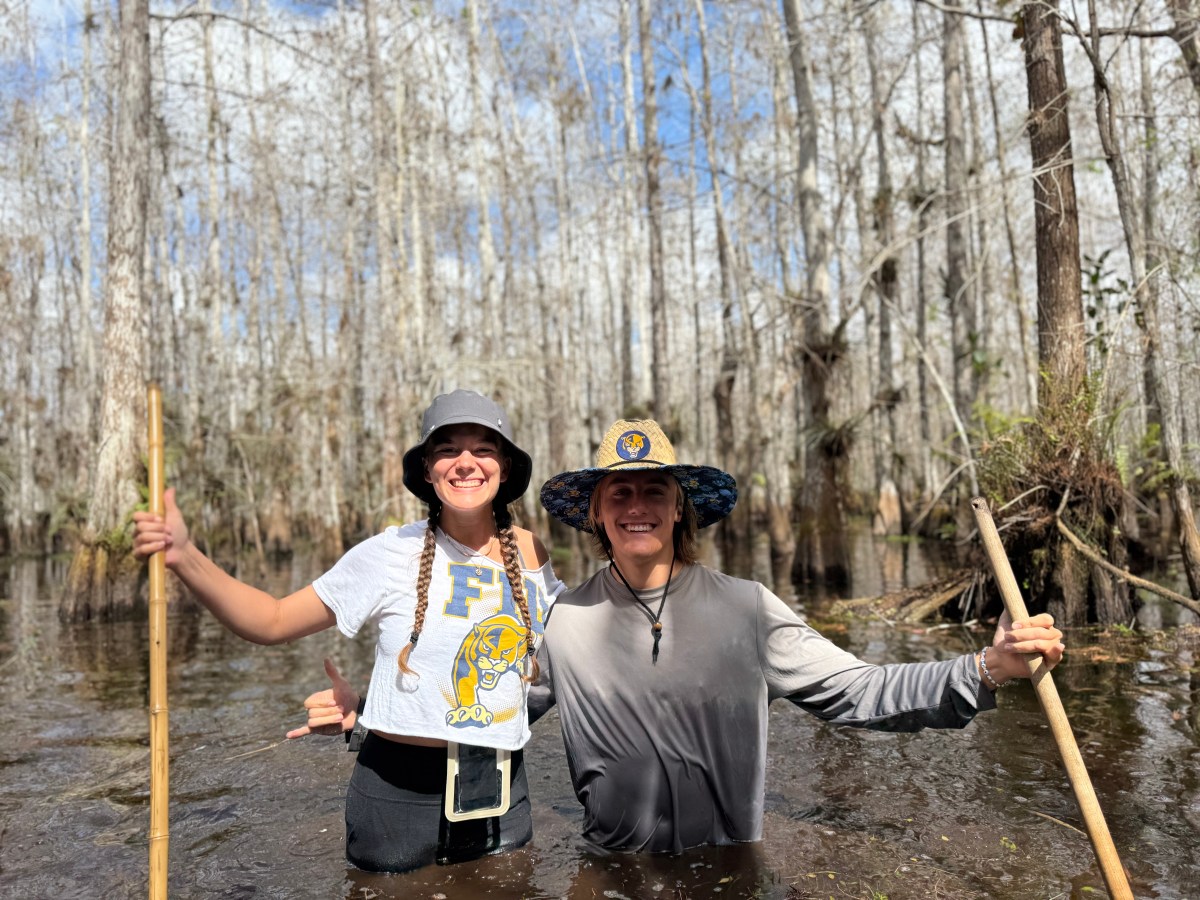
ART AS TEXT & MIAMI AS TEXT
Art as Text and Miami as Text are reflections on the world as experienced by the students of the FIU Honors College at Florida International University. The projects provide authentic reflections through a juxtaposition of image and text. Neighborhood by neighborhood, place by place, artwork by artwork, young people respond with praise and criticism to the 305.
Miami as Texts projects are academic reflections that see students utilize a personal experience in a place as a starting point to reflect on a broader social, cultural, or historical issue.
BRIEF GUIDELINES FOR MIAMI AS TEXT
1. You will create an original image and original text reflection specific to the visited location.
2. Your reflection must demonstrate that you attended class.
3. Your reflection must reference the Bailly lecture notes.
4. If your reflection could have been written without attending class, you will fail.
5. Your reflection must be a minimum of 750 words! Each project must consist of original writing and an original image.
6. Your reflection must be submitted on Canvas (PDF or Microsoft Word only) before the due date.
7. Late work will not be accepted.
PROJECT DESCRIPTION
Each student will create an image and text reflection specific to the visited location.
THE REFLECTION MUST BE ABOUT WHAT WE SPECIFICALLY ENGAGED AS A CLASS. YOU MUST REFERENCE SPECIFIC EVENTS, PEOPLE, AND PLACES WE ENCOUNTERED.
The reflection must be academic in nature. Successful projects are original, engage a “big idea” and are specific to place. For example, Vizcaya as Text should be specifically about your perspective on an important aspect of Vizcaya: culture, history, identity, gender, race, class.
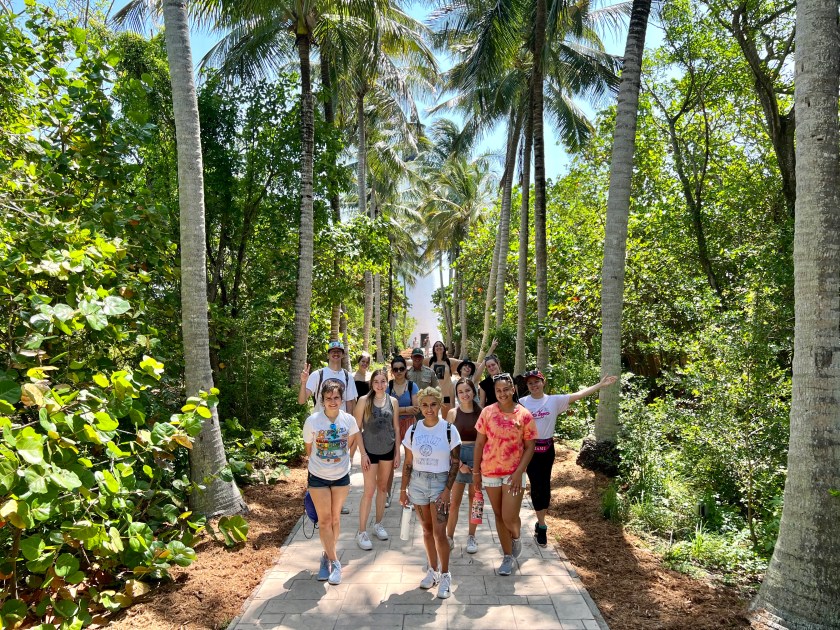
Generally, students will be given a tour of the venue. Following the tour, students will revisit the location individually. The student can select one aspect of the location that was discussed in class to reflect upon or provide a broader summary of the visit. The subject selected can be an artwork, an architectural space, flora, fauna, a person (employee or visitor), or any other relevant aspect. The subject must have been addressed in class, and your reflection must demonstrate that you attended class and read the Bailly Lecture Notes.
RELIABLE RESOURCES
The student is expected to reference the Bailly Lecture Notes for further research. The student should also conduct additional research on their selected subject and cite that research.
Truth and accuracy are an essential foundation to every Miami as Text reflection. The manner we develop an accurate understanding of a subject is through research. Recognizing and relying on reliable sources is a learned skill. Students should always seek primary sources when possible. Secondary sources are acceptable as well, but a student should always examine the origin and nature of the source. Students should view with caution anonymous, unverified, and/or unattributable websites, such as blogs, commercial websites (especially travel), social media, and Wikipedia. The Bailly Lecture Notes webpages usually have a list of links to reliable sources pertinent to the location the class visited.
WORD COUNT
Each reflection must be a minimum of 750 words! Each project must consist of original writing and original image. The writing can be either fiction or non-fiction and either prose or poetry. The images can be a single photo or a collage of photos. ONLY USE ORIGINAL PHOTOS. NEVER USE SOMEONE ELSE’S PHOTO WITHOUT GIVING THEM PHOTO CREDIT. Read Bailly’s Guide to Image Rights and Usage.
Projects submitted by email will not be graded and will be deleted. Failure to submit projects in the proper manner will result in a failing grade.
CITATIONS
All citations must be listed in MLA Format (in-text citations required). No exceptions. If you look at it, cite it.
TURNITIN
Every reflection must individually be submitted to turnitin through Canvas. Students must include the text and image in a Word or PDF document only. No other formats are accepted.
PROJECT GRADES
Successful projects are original, engage a “big idea” and are specific to place. Additional, independent research is essential: historical facts and relevant ideas are important in forming your perspective. The topic the student reflects upon must have been addressed or happened in the class meeting.
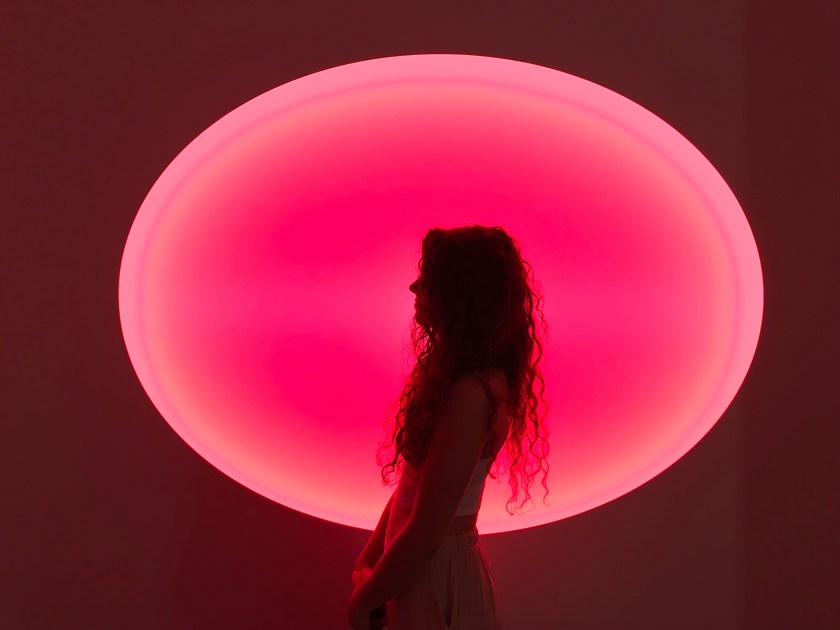
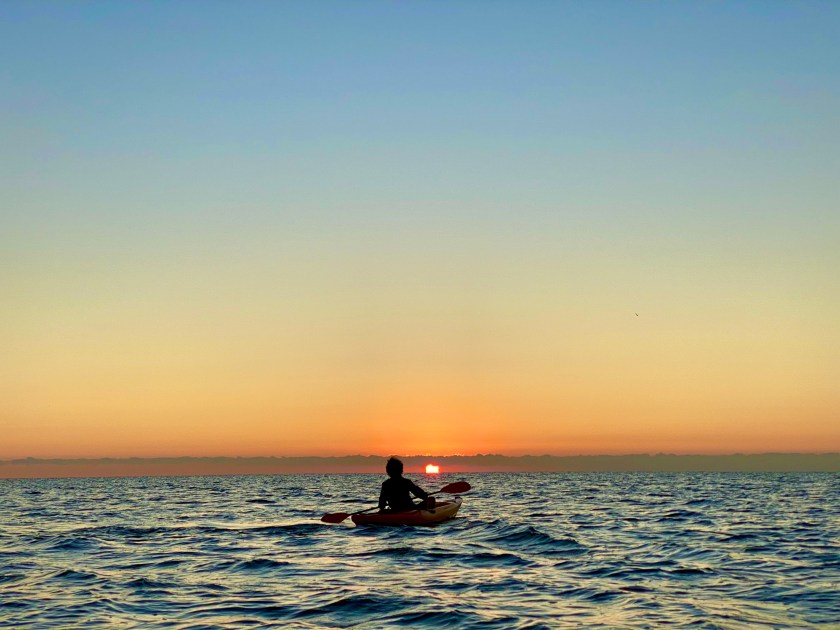
Your photos should be creative. Think about composition, lighting, and color. Find an original angle. Provide a context to an object.
Poor projects are often general in nature and superficial in reflection. Errors in facts and typos reveal a lackadaisical effort. These characteristics result in a poor grade.
Your text should always name the place the as text is about or an artwork (artist name) that you are discussing. If we have a guest speaker, that person must be mentioned.
Lastly, be honest. If you love something, love it. And if you hate something, write it. Your professor is interested in honest assessments.
GOGITO, ERGO SUM: USE OF ARTIFICIAL INTELLIGENCE/LARGE LANGUAGE MODELS
You may use AI/LLMs to supplement or polish your image and/or text. Develop your own authentic perspective and voice and then supplement it with AI/LLMs. Use AI/LLMs to play with tone, check for grammar, consider various structural approaches, alter your photos.
But do not lose yourself in technology. Using AI/LLMs to do your creative and critical thinking will result in a poor grade. AI/LLMs did not attend class. AI/LLMs did not have your real-world experience-your emotions, your reflections, your discomfort, your bond with your classmates, your sense of accomplishment, growth. AI/LLMs did not hike in the Everglades with alligators; it did not stand in the artist’s studio where you stood.
“I think, therefore I am” (cogito, ergo sum) René Descartes
AI/LLMs is a powerful tool, but it is not you. Only you are you. Assert and celebrate yourself.
PROJECT CONTEXT
Have fun. Be you. The more you embrace and assert your perspective, the more compelling your reflection will be.
EDITOR AND LAST UPDATE
John William Bailly 29 November 2025
COPYRIGHT © ALL RIGHTS RESERVED
 Bailly Lectures